May 7, 2026
In this guide, we will explore a comprehensive maintenance checklist designed to help you avoid costly repairs for your water softener. Proper maintenance not only extends the life of your equipment but also ensures its optimal performance. Follow these guidelines to keep your water softener in top condition. As most U.S. households deal with hard water issues, maintaining water softeners is a practical necessity. By understanding your system, performing regular inspections, and integrating technology, you can prevent expensive repairs and ensure efficient system operation.
Knowing Your Water Softener System
Learning About the Basic Operational Mechanism
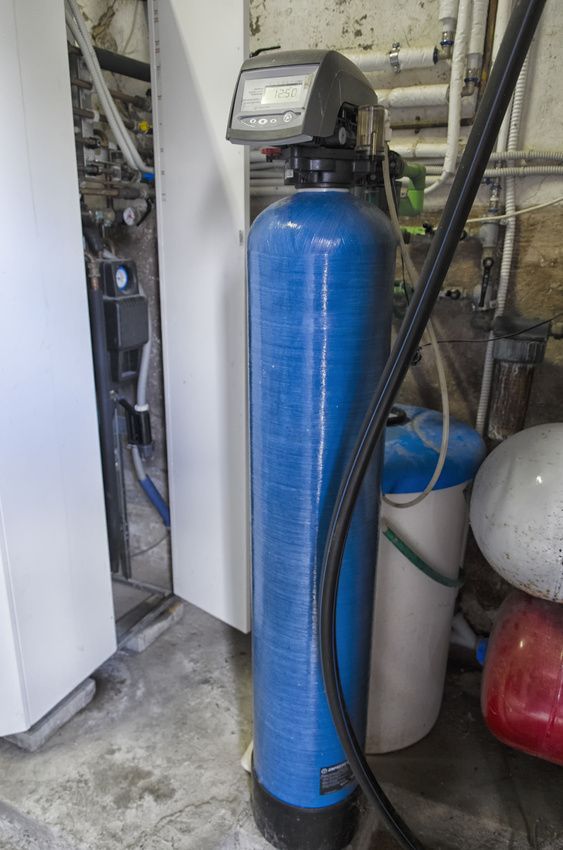
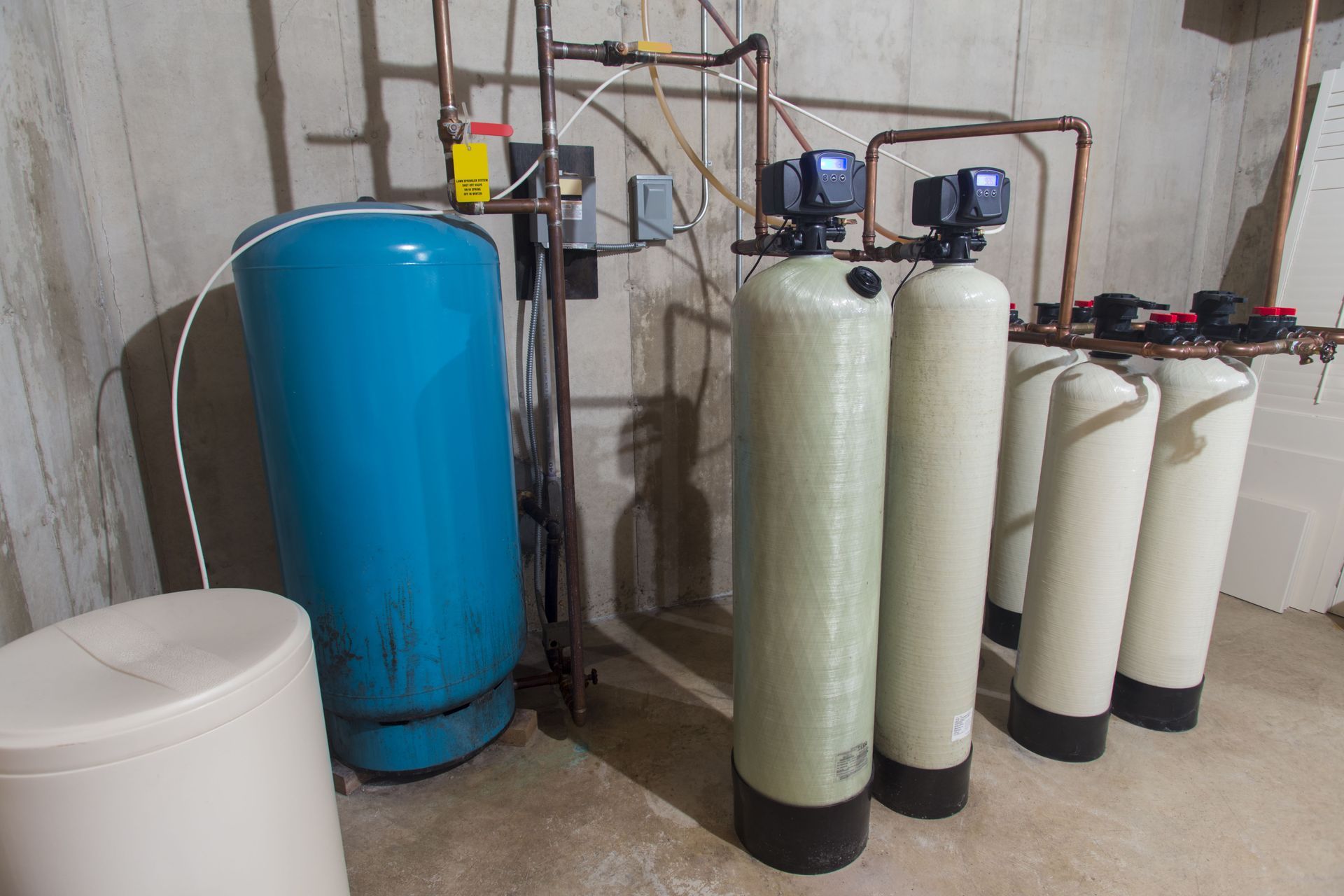
The core function of a water softener is to remove hardness minerals from the water supply, enhancing its quality and compatibility with household use. Ion exchange softeners, the most prevalent type, operate by exchanging calcium and magnesium ions with sodium ions. As hard water flows through the resin bed, sodium ions displace hardness minerals, effectively softening the water. This process requires periodic regeneration to replenish the sodium ions and ensure continuous softening capability. Understanding the operational mechanism allows homeowners to identify signs of malfunction and address them promptly.
While water softeners operate automatically, being aware of their regeneration cycles helps in troubleshooting issues like insufficient softening or excessive water usage. Some systems allow adjustment of regeneration schedules through programmable controllers, providing convenience and enhanced control. Regularly verifying the system’s operational status ensures that it functions as intended, reducing the likelihood of encountering costly repairs. By understanding the basic operational principles, homeowners can ensure their water softeners are efficiently maintained for long-lasting performance.
Identifying Common Problems and Their Causes
Despite the advantages of water softeners, they can encounter issues that require attention to maintain optimal performance. Common problems include salt bridging, resin fouling, and control valve malfunctions, often caused by improper usage or inadequate maintenance practices. Salt bridging occurs when a crust forms in the brine tank, preventing salt from dissolving properly. Contaminants and deposits can cause resin fouling, and worn-out seals, incorrect settings, or electrical issues can lead to control valve malfunctions. This causes inefficiencies in the regeneration process, leading to insufficient water softening. Frequent inspections and cleaning are necessary to prevent salt bridges and ensure consistent softening performance.
Understanding the Importance of Regular Maintenance
Regular maintenance plays a pivotal role in extending the lifespan and enhancing the performance of water softeners. This is especially important considering the prevalence of hard water in the United States. According to Southern Living, 85% of U.S. households face hard water challenges, making water softeners essential for many homes. Regular maintenance addresses issues specific to hard water, such as scale buildup and reduced soap efficiency, creating a more efficient and comfortable living environment. Understanding the impact of hard water on household systems reinforces the need to care for and preserve the softening equipment regularly.
Beyond performance improvement, regular maintenance also contributes to cost savings. Effective maintenance prevents minor problems from escalating, reducing the risk of major repairs or premature equipment replacement. It helps homeowners avoid unnecessary expenses while optimizing system efficiency and water usage. Incorporating professional maintenance service when necessary further extends the system's lifespan, ensuring it delivers the expected benefits throughout its operational life. Homeowners who prioritize regular maintenance not only preserve their water softeners but also protect surrounding plumbing and appliances from the detrimental effects of hard water.
Cleaning and Maintenance
Cleaning the Brine Tank
The brine tank is a central component of any water softener system, responsible for producing the brine solution necessary for regeneration. Regular cleaning of this tank is essential to maintain the efficiency and longevity of the water softener. Residue from salt, minerals, and impurities can build up over time, leading to issues like salt bridging or impaired brine production. Once or twice a year, schedule a thorough cleaning to remove these accumulations, ensuring the tank continues to function effectively. Proper cleaning practices maintain the tank’s hygiene, reduce the risk of clogs, and support the effective regeneration of the resin bed.
When integrated as part of routine maintenance, brine tank cleaning becomes a crucial measure to support the overall softening process. Neglecting tank cleanliness can result in degradation of water quality through ineffective regeneration cycles due to blockage or insufficient brine production. Regular cleaning aligns with the broader maintenance strategy, fostering a consistently soft water supply and protecting against unexpected system interruptions. Homeowners must appreciate that maintaining the brine tank’s cleanliness is pivotal to extending the water softener’s effectiveness, reducing the likelihood of requiring costly repairs in the future.
Flushing the Resin Bed
The resin bed is a critical component in ion exchange water softeners, responsible for removing hardness minerals from the water. Periodic flushing of the resin bed is necessary to prevent the buildup of iron, sediment, and other contaminants that can reduce its effectiveness over time. When these impurities accumulate, they can coat the resin beads, limiting their ability to properly exchange ions and resulting in decreased water softening performance. Incorporating regular flushing into your maintenance routine helps restore the resin’s efficiency and ensures consistent water quality throughout your home.
Maintaining a clean resin bed is essential for preserving the overall effectiveness of your water softener. When combined with other routine maintenance tasks, flushing helps ensure that the system operates at peak efficiency and continues to provide high-quality softened water. Neglecting this step can lead to reduced performance, increased energy use, and eventually more extensive repairs. By staying proactive with resin bed maintenance, homeowners can protect their investment and avoid unnecessary disruptions to their water supply.
Cleaning the Control Valve Components
The control valve is a vital component of a water softener system, responsible for regulating water flow and managing regeneration cycles. Over time, mineral deposits, sediment, and debris can accumulate within the valve, potentially interfering with its operation. If left unaddressed, these obstructions can lead to improper regeneration timing, reduced water softening efficiency, or even system failure. Regular cleaning of the control valve components helps ensure accurate system performance and prevents unnecessary strain on the unit. Maintaining this component is essential for preserving both efficiency and longevity.
Incorporating control valve maintenance into your regular cleaning routine ensures that the system continues to operate smoothly and reliably. A properly functioning valve allows for efficient regeneration cycles and consistent water quality throughout the home. By proactively maintaining this critical component, homeowners can prevent performance issues, reduce repair costs, and extend the overall lifespan of their water softener system.
Replacing Worn or Depleted Components
Over time, even well-maintained water softener systems experience natural wear and tear that can impact performance. Components such as resin beads, seals, gaskets, and filters gradually degrade due to continuous exposure to minerals and water flow. As these parts wear out, the system may become less effective at removing hardness minerals, leading to reduced water quality and increased strain on the unit. Recognizing when components need replacement is essential for maintaining optimal system performance and preventing larger mechanical issues.
Proactively replacing worn or depleted parts ensures that the water softener continues to operate efficiently and reliably. This approach not only preserves water quality but also helps extend the overall lifespan of the system. By staying ahead of maintenance needs and addressing component wear promptly, homeowners can avoid costly repairs, reduce downtime, and maintain a consistent supply of high-quality softened water.
Maintaining your water softener through consistent inspections, cleaning, and timely component replacements is essential for avoiding costly
water softener repairs and ensuring long-term performance. By staying proactive with tasks like monitoring salt levels, flushing the resin bed, and sanitizing the system, homeowners can prevent minor issues from turning into major breakdowns. Working with a trusted provider like A-Plus Enterprises can help ensure the job is done correctly and efficiently. Ultimately, a well-maintained system delivers reliable efficiency, reduces unexpected expenses, and provides lasting value for your home.